Unlocking Vintage Hi-Fi: A Beginner's Guide
In a world dominated by digital music streaming, the allure of vintage hi-fi audio equipment remains strong. For many, the rich, warm sound of vinyl records and the nostalgia of classic audio gear offer a unique listening experience that modern technology often struggles to replicate. If you're a beginner looking to dive into the world of vintage hi-fi, this guide will help you navigate the essentials, from understanding the equipment to setting up your own system.

Understanding Vintage Hi-Fi Equipment
What is Hi-Fi?
Hi-Fi, short for high fidelity, refers to audio equipment that reproduces sound with minimal distortion. The goal is to create an experience that closely resembles the original performance. Vintage hi-fi equipment typically includes:
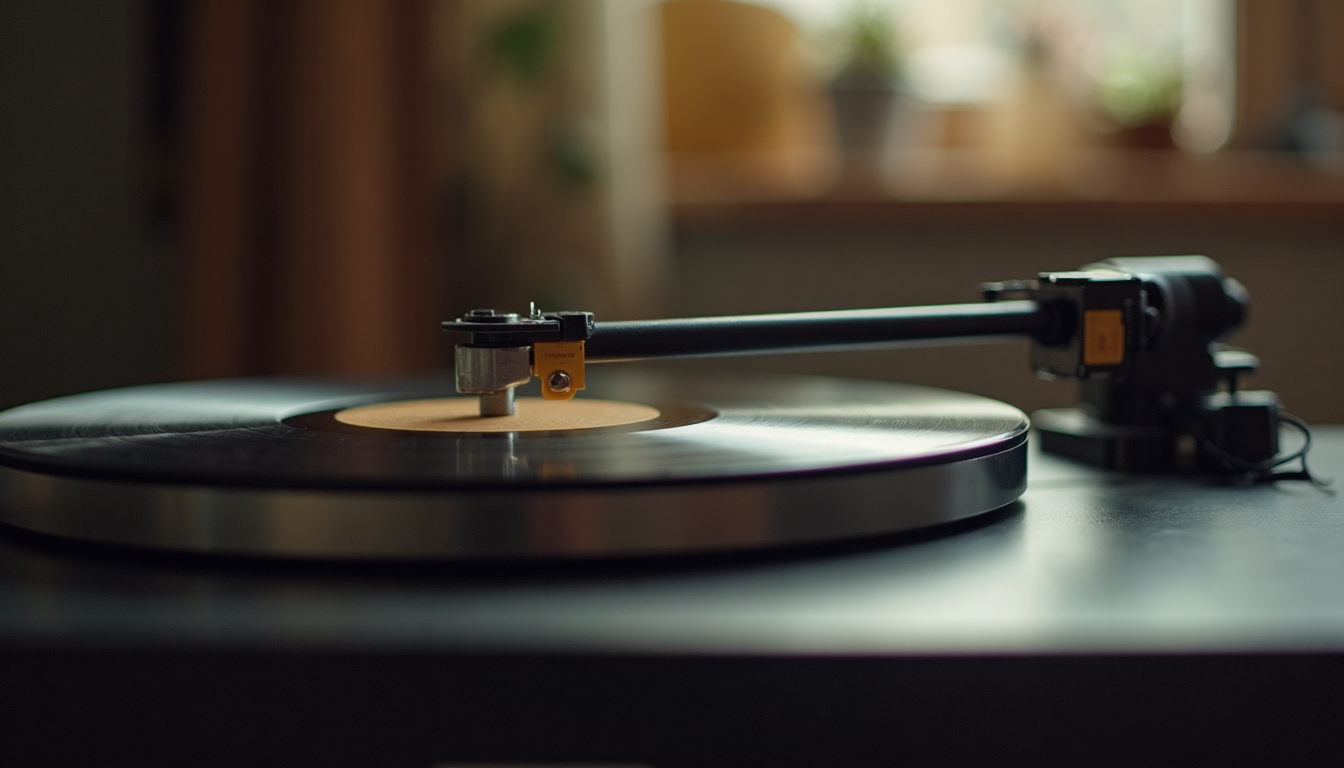
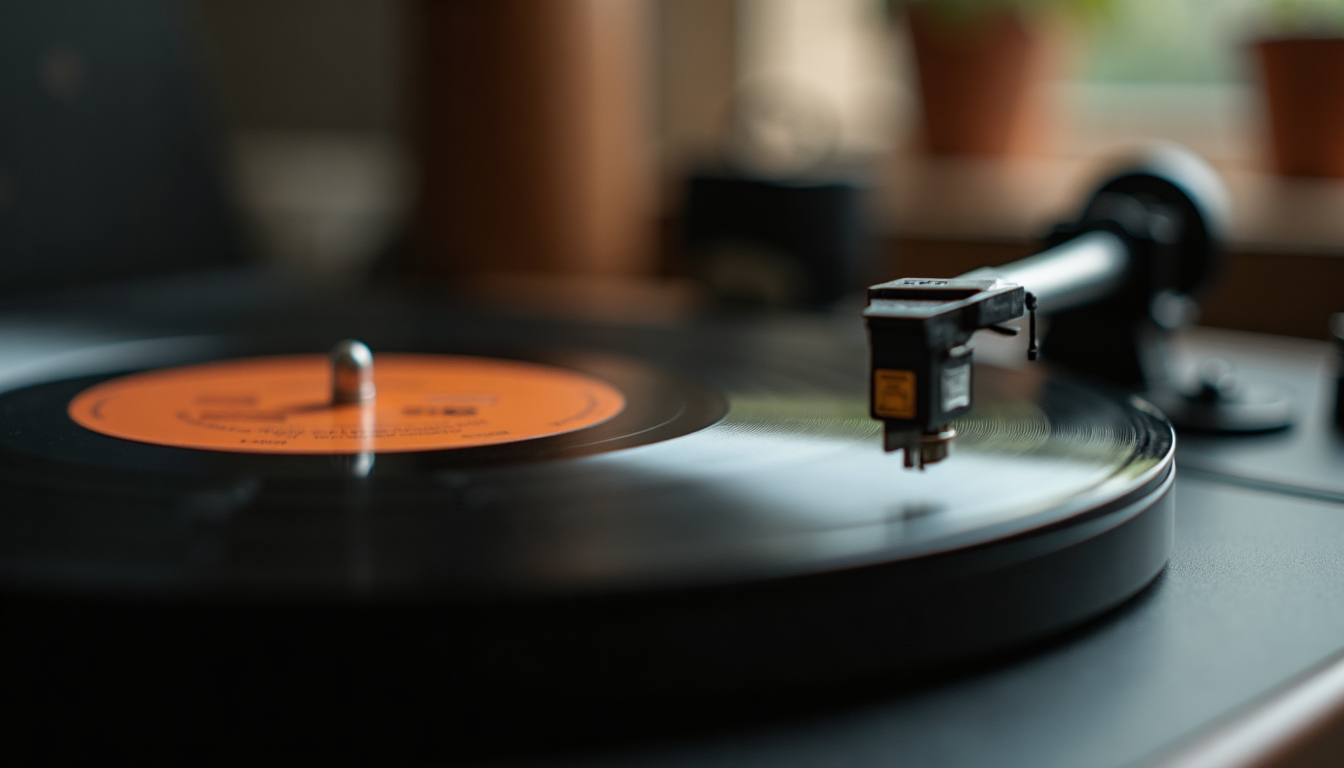
Turntables: For playing vinyl records.
Amplifiers: To boost audio signals.
Speakers: To deliver sound to your ears.
Receivers: Combining the functions of an amplifier and a radio tuner.
Why Choose Vintage?
There are several reasons why enthusiasts gravitate towards vintage hi-fi:
Sound Quality: Many believe that older equipment produces a warmer, more natural sound.
Aesthetic Appeal: Vintage gear often features beautiful craftsmanship and design.
Collectibility: Vintage audio equipment can be a rewarding hobby, with some pieces increasing in value over time.
Getting Started with Vintage Hi-Fi
Research and Education
Before diving into purchases, take time to educate yourself about the different types of equipment available. Resources include:
Books: Look for titles focused on vintage audio equipment and its history.
Online Forums: Join communities where enthusiasts share tips and experiences.
YouTube Channels: Many audiophiles share reviews and setup guides.
Setting a Budget
Vintage hi-fi can range from affordable to extremely expensive. Determine how much you are willing to spend. Consider the following:
Entry-Level Gear: You can find decent turntables and speakers for a few hundred dollars.
Mid-Range Options: Expect to spend between $500 to $1,500 for quality equipment.
High-End Collectibles: Rare pieces can cost thousands, but they often come with a rich history.
Choosing Your Equipment
Turntables
When selecting a turntable, consider:
Drive Type: Belt-driven turntables are often preferred for their sound quality, while direct-drive models are known for their durability.
Condition: Look for well-maintained models, as parts can be hard to replace.
Brand Reputation: Brands like Technics, Thorens, and Rega are well-regarded in the vintage community.
Amplifiers
Amplifiers are crucial for driving your speakers. Look for:
Power Output: Ensure the amplifier can handle the power requirements of your speakers.
Type: Tube amplifiers are popular for their warm sound, while solid-state amplifiers are known for reliability.
Condition: Check for any signs of wear or damage.
Speakers
Speakers can make or break your listening experience. Consider:
Size and Placement: Larger speakers may require more space and power.
Sound Profile: Listen to different models to find one that suits your taste.
Brand: Brands like Klipsch, JBL, and Bowers & Wilkins have a strong vintage following.
Setting Up Your Vintage Hi-Fi System
Room Acoustics
The room where you set up your system plays a significant role in sound quality. Consider these tips:
Placement: Position speakers away from walls to reduce reflections.
Furniture: Soft furnishings can help absorb sound and improve acoustics.
Listening Position: Create a dedicated listening area where you can enjoy your music without distractions.
Connecting Your Equipment
Once you have your components, it's time to connect them:
Turntable to Amplifier: Use RCA cables to connect the turntable to the amplifier.
Amplifier to Speakers: Connect the amplifier to the speakers using speaker wire.
Power Up: Ensure all components are plugged in and powered on.
Fine-Tuning Your System
After setup, take time to adjust settings for optimal sound:
Equalization: If your amplifier has an equalizer, experiment with settings to find your preferred sound.
Speaker Positioning: Adjust the angle and distance of your speakers for the best soundstage.
Maintaining Your Vintage Hi-Fi Equipment
Regular Cleaning
Keep your equipment in top shape with regular cleaning:
Turntable: Clean the platter and stylus to prevent dust buildup.
Speakers: Dust the cabinets and check for any damage to the cones.
Cables: Inspect and clean connections to ensure a good signal.
Storage and Care
When not in use, store your equipment properly:
Avoid Direct Sunlight: Keep gear away from sunlight to prevent fading and damage.
Humidity Control: Maintain a stable environment to avoid moisture damage.
Exploring Vintage Vinyl
Where to Find Records
Once your system is set up, it's time to explore vinyl records. Here are some great places to find them:
Record Stores: Local shops often have a selection of vintage records.
Flea Markets and Garage Sales: You can find hidden gems at these events.
Online Marketplaces: Websites like Discogs and eBay offer vast selections.
Caring for Your Vinyl
To ensure your records last, follow these care tips:
Cleaning: Use a record cleaning solution and brush to remove dust.
Storage: Store records vertically in a cool, dry place.
Handling: Always handle records by the edges to avoid fingerprints.
The Community of Vintage Hi-Fi Enthusiasts
Joining Clubs and Forums
Connecting with other enthusiasts can enhance your experience:
Local Clubs: Many cities have clubs where members share tips and host listening events.
Online Forums: Websites like Audiokarma and Vinyl Me, Please have active communities.
Attending Events
Look for local or national events focused on vintage audio:
Record Fairs: Great places to find records and meet fellow collectors.
Hi-Fi Shows: Experience different setups and learn from industry experts.
Conclusion
Embarking on your vintage hi-fi journey can be incredibly rewarding. With the right equipment, knowledge, and community support, you can create a listening experience that transcends the ordinary. Remember to take your time, enjoy the process, and immerse yourself in the rich world of vintage audio. Whether you're spinning vinyl or exploring the nuances of sound, the journey is just as important as the destination. Happy listening!
Comments