Restoration Spotlight: Reviving Classic Audio Gear
In a world dominated by digital sound, the allure of classic audio gear remains strong. Vintage audio equipment not only offers a unique listening experience but also serves as a testament to the craftsmanship of a bygone era. Whether you’re a seasoned audiophile or a casual listener, restoring classic audio gear can be a rewarding journey. This post will explore the ins and outs of reviving vintage audio equipment, providing practical tips and insights along the way.

Understanding the Appeal of Vintage Audio Gear
The Unique Sound Quality
One of the primary reasons enthusiasts gravitate towards vintage audio gear is the distinct sound quality it offers. Many believe that older equipment, particularly tube amplifiers and analog turntables, produce a warmer, richer sound compared to modern digital devices. This is often attributed to the materials used and the analog nature of the equipment.
Nostalgia and Aesthetic Value
Vintage audio gear also carries a sense of nostalgia. For many, these devices evoke memories of a time when music was experienced differently. The aesthetic appeal of classic designs, with their wood finishes and analog dials, adds to their charm. Collectors often appreciate the craftsmanship and unique designs that are hard to find in contemporary products.
Investment Potential
Restoring classic audio gear can also be a smart investment. Certain models appreciate in value over time, making them not just a hobby but a potential financial asset. Brands like McIntosh, Marantz, and Technics have a strong following, and well-maintained pieces can fetch high prices in the resale market.
Getting Started with Restoration
Assessing the Condition
Before diving into restoration, it’s crucial to assess the condition of the equipment. Look for:
Physical Damage: Check for dents, scratches, or missing parts.
Electrical Issues: Inspect for frayed wires, burnt components, or signs of corrosion.
Mechanical Functionality: Ensure that moving parts, such as tonearms and knobs, operate smoothly.
Gathering the Right Tools
Having the right tools is essential for a successful restoration. Here’s a basic toolkit to get you started:
Screwdrivers: A set of precision screwdrivers for various sizes.
Multimeter: For testing electrical components.
Soldering Iron: Necessary for repairing or replacing electrical connections.
Cleaning Supplies: Isopropyl alcohol, microfiber cloths, and specialized cleaning solutions for audio gear.
Researching the Model
Understanding the specific model you’re working on is vital. Look for manuals, schematics, and online forums dedicated to vintage audio gear. Resources like Vinyl Engine and AudioKarma can provide valuable insights and troubleshooting tips.
Common Restoration Techniques
Cleaning and Maintenance
One of the first steps in restoring vintage audio gear is thorough cleaning. Dust and grime can accumulate over the years, affecting both aesthetics and performance. Here’s how to clean different components:
Exterior: Use a soft cloth and a gentle cleaner to wipe down surfaces. Avoid harsh chemicals that can damage finishes.
Interior: Carefully open the casing and use compressed air to blow out dust. Be cautious around sensitive components.
Connections: Clean RCA and speaker connections with contact cleaner to ensure a good signal.
Repairing Electrical Components
Electrical issues are common in vintage audio gear. Here are some common repairs:
Capacitor Replacement: Old capacitors can leak or fail. Replacing them with modern equivalents can restore functionality.
Resistor Testing: Use a multimeter to test resistors. Replace any that are out of tolerance.
Speaker Repair: If speakers are damaged, consider refoaming or reconing them to restore sound quality.
Upgrading Components
While maintaining originality is important, upgrading certain components can enhance performance. Consider:
Replacing Old Wiring: Upgrading to higher-quality wiring can improve signal transmission.
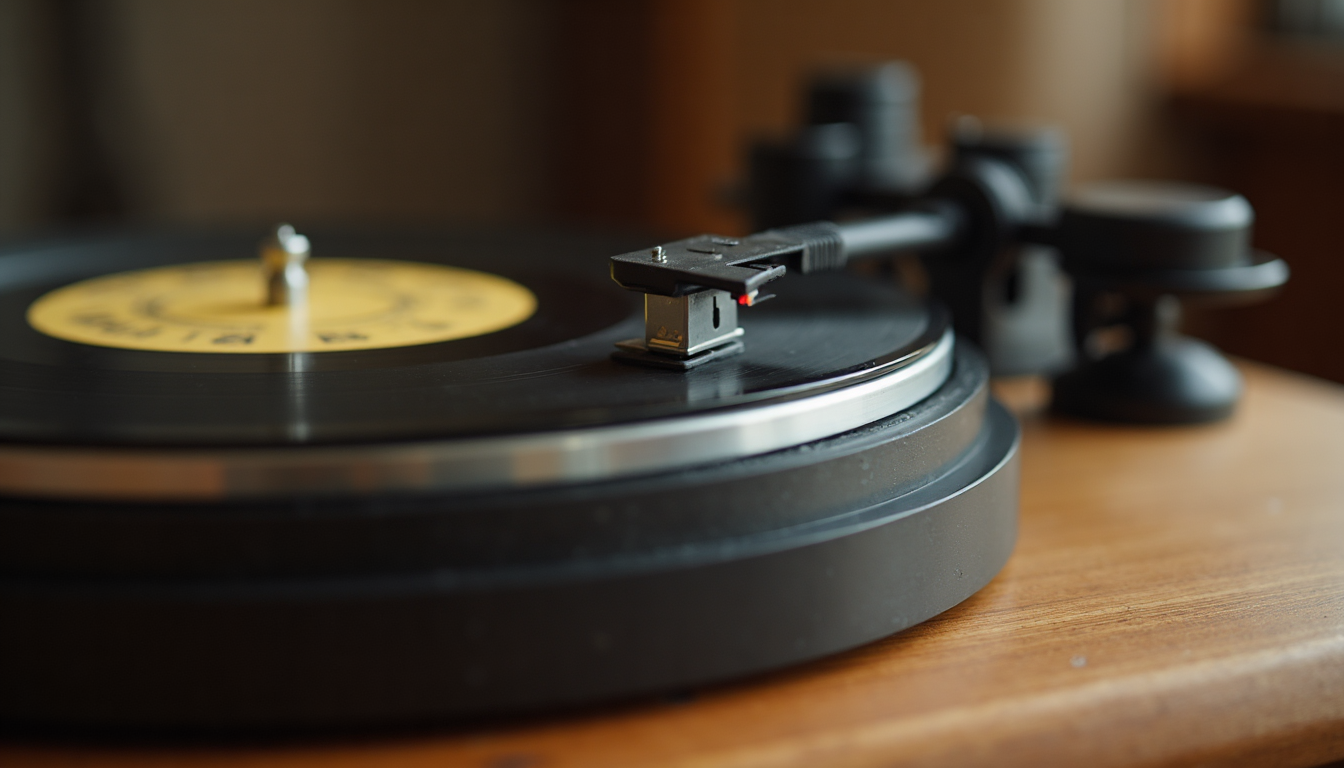
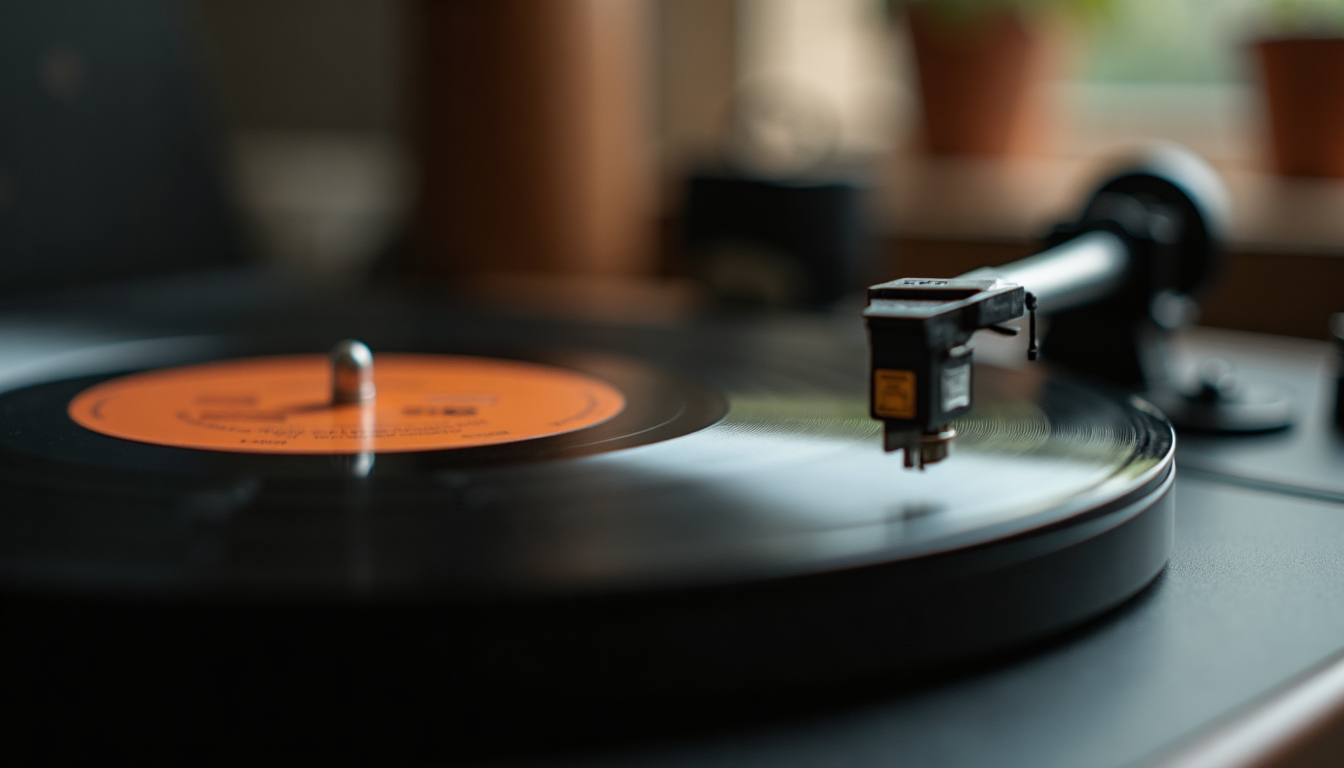
Installing New Cartridges: For turntables, a new cartridge can significantly enhance sound quality.
Adding Isolation Feet: These can reduce vibrations and improve overall sound clarity.
The Joy of Listening
After completing the restoration, it’s time to enjoy the fruits of your labor. Take a moment to appreciate the sound quality and craftsmanship of your revived audio gear. Invite friends over for a listening session, and share the stories behind each piece.
Building a Listening Space
Creating a dedicated listening space can enhance your experience. Here are some tips:
Acoustic Treatment: Consider adding rugs, curtains, or acoustic panels to improve sound quality.
Proper Placement: Position speakers at ear level and away from walls for optimal sound.
Comfortable Seating: Invest in comfortable seating to enjoy long listening sessions.
Connecting with the Community
Engaging with fellow enthusiasts can enrich your restoration journey. Join local or online communities where you can share experiences, seek advice, and even trade gear. Events like audio shows or swap meets can also be great opportunities to connect with others who share your passion.
Resources for Enthusiasts
Online Forums: Websites like AudioKarma and Vinyl Engine offer forums for discussion and advice.
YouTube Channels: Many enthusiasts share restoration projects and tips through video tutorials.
Books and Magazines: Look for publications dedicated to vintage audio gear for in-depth knowledge and inspiration.
Conclusion
Restoring classic audio gear is more than just a hobby; it’s a journey that connects you with the past while enhancing your present listening experience. By understanding the appeal, gathering the right tools, and applying effective restoration techniques, you can breathe new life into vintage equipment. Whether you’re drawn by the unique sound quality, the nostalgia, or the investment potential, the world of classic audio gear awaits your exploration.
So, gather your tools, dive into your next restoration project, and enjoy the rich sounds of history. Happy listening!
Comments